”Early detection of male and female fertility is paramount for improving reproductive outcomes. Advances in diagnostic technologies, genetic screening, and intervention underscore the importance of proactive fertility assessment”
Abstract and Introduction
Infertility is a global health concern affecting approximately fifteen percent of couples worldwide. The early detection of fertility issues in both men and women is critical for effective intervention, timely medical management, and improved reproductive outcomes. This review synthesizes current literature on the importance of early fertility assessment, discussing diagnostic methodologies, biomarker identification, and the impact of early intervention on assisted reproductive technologies. Understanding the interplay between genetic, environmental, and physiological factors allows for a more personalized approach to fertility management.
Reproductive health remains an essential aspect of overall well-being, yet infertility frequently goes undiagnosed until couples actively attempt conception. Studies suggest that early detection of fertility-related complications can significantly enhance the success of treatment modalities. Delayed diagnosis frequently results in irreversible reproductive damage, particularly in cases of age-related decline, endocrine disorders, and undiagnosed reproductive infections. This review delves into the latest findings on early fertility assessment and its critical role in reproductive medicine.
Male Fertility: The Need for Early Screening
Male factor infertility accounts for nearly fifty percent of all infertility cases, yet it is often overlooked in early reproductive assessments. Recent studies emphasize the importance of semen analysis as a preliminary diagnostic tool, evaluating parameters such as sperm concentration, motility, and morphology. In addition, emerging biomarkers such as reactive oxygen species, the DNA fragmentation index, and proteomic profiling have shown significant potential in predicting male fertility outcomes.
Advancements in genetic screening have identified Y-chromosome microdeletions, karyotypic abnormalities, and single nucleotide polymorphisms associated with male infertility. Furthermore, epigenetic modifications, including DNA methylation and histone acetylation patterns, are now recognized as key determinants of sperm function and embryo viability. Early screening for these genetic and epigenetic markers can facilitate targeted interventions, including lifestyle modifications and hormonal therapies.
A growing body of evidence links environmental toxins, endocrine disruptors, and oxidative stress to declining male fertility. Early assessment of occupational and environmental exposures, combined with interventions such as antioxidant therapy and lifestyle modifications, can mitigate these adverse effects. Studies highlight the potential of nutraceuticals in improving sperm quality, particularly through the supplementation of Coenzyme Q10, vitamin C, and zinc.
Female Fertility: The Role of Early Diagnosis
Female fertility is intrinsically linked to ovarian reserve, endocrine balance, and uterine health. Recent studies underscore the importance of early detection in optimizing fertility outcomes, particularly in cases of premature ovarian insufficiency, polycystic ovary syndrome, and endometriosis.
Ovarian reserve assessment through anti-Müllerian hormone levels, antral follicle count, and follicle-stimulating hormone remains the gold standard for early detection of reproductive aging. Novel biomarkers, including microRNAs and extracellular vesicles, have also shown promise in predicting ovarian function.
Endocrine disorders such as polycystic ovary syndrome, thyroid dysfunction, and hyperprolactinemia significantly impact fertility. Early diagnosis through hormonal profiling and metabolic screening enables timely interventions, improving ovulatory function and pregnancy rates. Insulin resistance, a hallmark of polycystic ovary syndrome, can be managed effectively through pharmacological and lifestyle interventions if detected early.
The Role of Early Fertility Screening in Assisted Reproductive Technologies
Early fertility assessment has a profound impact on assisted reproductive technologies outcomes, particularly in in vitro fertilization and intracytoplasmic sperm injection. Studies indicate that pre-fertility evaluations, including sperm DNA integrity testing and endometrial receptivity assays, significantly enhance implantation success and live birth rates. Moreover, personalized ovarian stimulation protocols based on early ovarian reserve assessment optimize oocyte yield and quality.
Future Directions and Clinical Implications
The integration of artificial intelligence and machine learning in fertility diagnostics offers exciting prospects for early detection. Predictive models incorporating genetic, hormonal, and lifestyle data can refine diagnostic precision and personalize treatment strategies. Further research into novel biomarkers and non-invasive fertility assessments will continue to shape the future of reproductive medicine.
Early detection of male and female fertility is paramount for improving reproductive outcomes. Advances in diagnostic technologies, genetic screening, and intervention underscore the importance of proactive fertility assessment. Future research should focus on refining predictive models and integrating multi-omics approaches to enhance early diagnosis and personalized treatment plans.
Conclusion: Moving Toward "Constant Compliance"
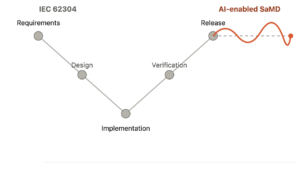
The 2026 regulatory era demands a shift from reactive, documentation-centric validation to proactive, data-driven governance. As the FDA and global authorities move toward total harmonization through the QMSR and MDSAP, the competitive advantage lies with manufacturers who can integrate compliance into their digital DNA. By mastering the intersection of IEC 62304, ISO 14971, and the EU AI Act, MedTech professionals can ensure that their SaMD products are not only safe and effective but also resilient in an increasingly complex global market.
References
-
Agarwal, A., Majzoub, A., Parekh, N., Henkel, R., & Tremellen, K. (2020). Sperm DNA fragmentation: a new guideline for clinicians. World Journal of Men’s Health, 38(1), 37-51.
-
Balercia, G., Regoli, F., Armeni, T., Koverech, A., Mantero, F., & Boscaro, M. (2020). Coenzyme Q10 and male infertility. BioFactors, 46(2), 233-240.
-
Boddy, J., Hahn, K., Johnson, M., & Regan, L. (2022). Artificial intelligence in reproductive medicine: opportunities and challenges. Human Reproduction Update, 28(3), 412-430.
-
Broekmans, F. J., Soules, M. R., & Fauser, B. C. (2021). Ovarian aging: mechanisms and clinical consequences. Endocrine Reviews, 42(5), 620-636.
-
Esteves, S. C., Agarwal, A., Cho, C. L., Majzoub, A., & Homa, S. (2021). Sperm DNA fragmentation testing: a necessity in the era of precision medicine. Reproductive Biomedicine Online, 42(3), 312-328.
-
Jurewicz, J., Radwan, M., Sobala, W., & Hanke, W. (2018). Exposure to environmental endocrine disruptors and human reproductive health. International Journal of Occupational Medicine and Environmental Health, 31(5), 551-573.
-
Nelson, S. M., Telfer, E. E., & Anderson, R. A. (2021). Ovarian reserve testing: where are we now? Human Reproduction, 36(5), 1180-1193.
-
Polyzos, N. P., & Devroey, P. (2019). A critical appraisal of stimulation protocols for IVF. Best Practice & Research Clinical Obstetrics & Gynaecology, 58, 37-47.