“The most advanced health sensor in the world isn’t on your wrist. It’s your nervous system. It’s time we started listening to it again.”
The Illusion of Quantified Longevity - The Broken Promise
We were promised a revolution. We were told that by strapping a $500 sensor to our wrists, we would finally achieve the “optimized” version of ourselves. Step counts, skin temperature, and 24/7 heart rate monitoring were marketed as the keys to the kingdom of longevity. But in 2026, the data is in, and the reality is far more clinical: we have traded our intuition for a “Stress Score” that doesn’t understand us, and we are paying for it with our mental health.
The Myth of the Perfect Night
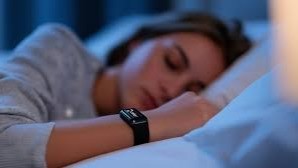
The most glaring failure of the wearable revolution is sleep tracking. We now have a medical term for the anxiety caused by your Smart ring or Smart Watch: Orthosomnia. Data vs. Reality: Research shows that consumer-grade trackers are notoriously poor at distinguishing between deep and light sleep phases. They often rely on movement and heart rate, which can be fooled by a restless dog or a late-night movie. The Anxiety Loop: Users now wake up feeling refreshed, check their “Sleep Score,” see a 62%, and immediately begin to feel fatigued. This is the Nocebo Effect in action, the device is literally manifesting the exhaustion it claims to prevent. The Bedroom as a Lab: By turning our beds into data centers, we have destroyed the psychological sanctity of rest. We are no longer sleeping; we are “performing” for an algorithm.
The Great Heart Rate Delusion
We obsess over heart rate variability (HRV) and resting heart rate (RHR) as if they are static benchmarks of fitness. They aren’t. Context Blindness: Your watch knows your heart rate is 110 bpm, but it doesn’t know if you’re having a panic attack, a shot of espresso, or a passionate conversation. The “Stress” Trap: Wearables frequently misinterpret physiological arousal like excitement or focus as “High Stress.” This creates a feedback loop where the user becomes stressed because their watch told them they were stressed.
The Autonomy Gap: We have become “metric-slaves,” ignoring the body’s natural signals (thirst, fatigue, hunger) until a notification validates them.
When Will We Actually "Grow Up"?
The industry is currently in its “toddler” phase—collecting raw numbers without the wisdom to interpret them. To move forward, the technology must evolve beyond the wrist. From “What” to “Why”: The future isn’t more sensors; it’s better context. Until your wearable knows your calendar, your blood chemistry, and your emotional state, its “advice” is little more than an educated guess. Invisible Tech: We are moving toward Smart Fabrics and Biometric Patches that disappear into the background. The goal should be a device you forget you’re wearing, providing “ambient intelligence” rather than nagging notifications. Medical Integration: True growth happens when your data isn’t trapped in a proprietary app but is seamlessly integrated into your doctor’s EHR (Electronic Health Record) for actual clinical intervention.
So, Stop letting a plastic circle tell you how you feel. If you wake up energized, you had a good night’s sleep regardless of what the app says. If you’re out of breath, you’re working hard you don’t need a “Zone 4” alert to prove it. The most advanced health sensor in the world isn’t on your wrist. It’s your nervous system. It’s time we started listening to it again.
Highlights
#Orthosomnia #WearableTech #DigitalHealth #SleepTracking #Biohacking #HealthTech #NoceboEffect #QuantifiedSelf #MentalHealth #MedicalDevices #PatientAutonomy #Biometrics