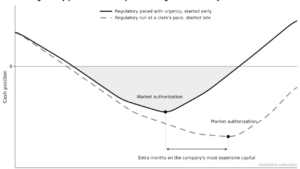

“Proactive navigation of software lifecycle standards like IEC 62304 alongside these administrative updates safeguards compliance and accelerates international market competitiveness.”
Introduction to the 2024 Regulatory Landscape
Significant regulatory updates introduced across 2024 fundamentally affected medical device software (MDSW) within the European Union (EU) and Medical Device Single Audit Program (MDSAP) member countries. These changes aim to enhance patient safety, streamline compliance processes, and adapt to rapid technological advancements in the digital health sector.
European Union (EU) Regulatory Updates
On July 9, 2024, the EU enacted Regulation (EU) 2024/1860, amending the existing Medical Devices Regulation (MDR) and In Vitro Diagnostic Medical Devices Regulation (IVDR). This amendment focuses on several critical areas:
Gradual Roll-Out of EUDAMED: The European Database on Medical Devices is being implemented module by module as each component is finalized, bypassing the previous mandate requiring all modules to be fully complete before initial deployment.
Supply Chain Transparency: Manufacturers must now inform competent authorities and economic operators about any anticipated interruptions or discontinuations in the supply of critical medical devices, aiming to prevent shortages and secure continuous patient care.
Extended Transitional Provisions: Certain in vitro diagnostic medical devices have been granted extended transition periods, allowing manufacturers additional time to achieve full compliance.
Additionally, the Medical Device Coordination Group (MDCG) released targeted guidance documents to assist stakeholders in implementing these evolving mandates effectively.
Medical Device Single Audit Program (MDSAP) Updates
The MDSAP, which facilitates a single audit process for medical device manufacturers across multiple jurisdictions, introduced notable operational updates:
Audit Approach Revision: The MDSAP Audit Approach document was updated to Version 009, bringing vital modifications to audit tasks covering device marketing authorization, facility registration, purchasing controls, adverse event reporting, and quality management systems. This revision also expunged obsolete references to older Japanese MHLW ordinances to align fully with the 2021 amendments of ISO 13485:2016.
Program Expansion: The Health Sciences Authority (HSA) of Singapore engaged with the program as an observer, highlighting the continuous international expansion of unified auditing footprints.
Global Implications for Software as a Medical Device (SaMD)
These adjustments reflect a wider global movement toward harmonizing medical device regulations, particularly for software as a medical device. The EU focus on transparency and realistic compliance timelines provides a scalable blueprint that other international regions can adopt to safeguard market stability. Simultaneously, evolving MDSAP oversight reinforces more unified quality management standards worldwide.
For software developers and medical device manufacturers, maintaining vigilance over these frameworks is vital. Proactive navigation of software lifecycle standards like IEC 62304 alongside these administrative updates safeguards compliance and accelerates international market competitiveness.
References
-
European Commission. (2024). Regulation (EU) 2024/1860 – Changes to MDR and IVDR.
-
European Commission. (2024). Medical Devices Regulation and IVDR Implementation Guidance.
-
U.S. Food and Drug Administration. (2024). Medical Device Single Audit Program (MDSAP) Updates and Audit Approach Document Version 009.
-
Therapeutic Goods Administration. (2024). MDSAP Audit Approach Revision and Program Expansion.
Highlights
#MDR #IVDR #MDSAP #SaMD #MedicalDeviceSoftware #RegulatoryAffairs #ISO13485 #DigitalHealth #FDA #EUDAMED #Compliance #QualityAssurance